
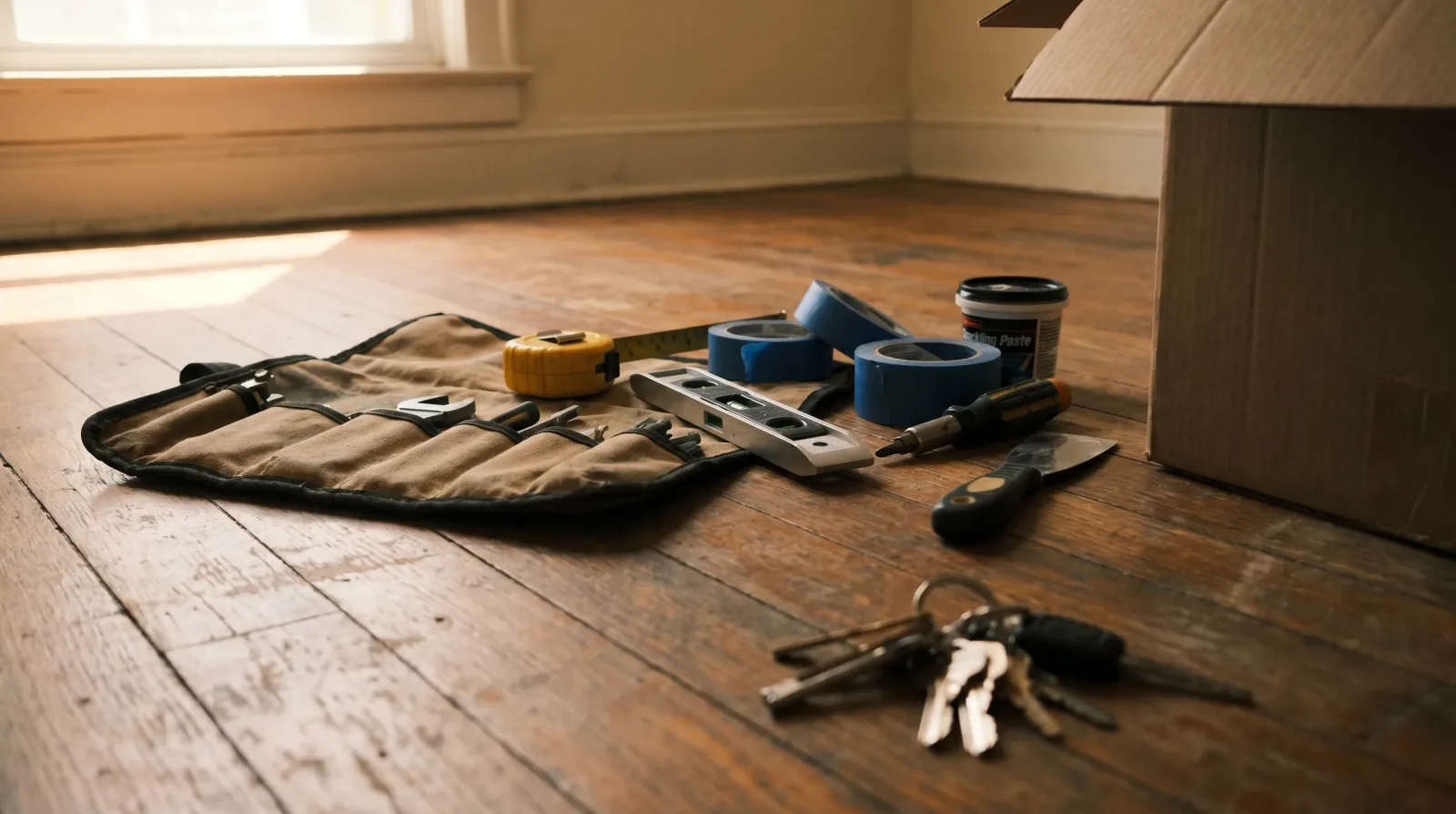
Buying your first home in the Lower Mainland is one of the most expensive decisions of your life. The day you get the keys, there is a quiet panic that comes with realizing every problem the inspector flagged, and several they did not, are now yours to deal with. The instinct is to fix everything at once. The smarter move is to do the work in the right order, because some repairs protect the house from damage that compounds, and others are cosmetic and can wait.
This is the order I recommend to first-time buyers across Langley, Surrey, White Rock, Aldergrove, Abbotsford, and Cloverdale. It assumes you took possession of a typical Lower Mainland home built between 1980 and 2010, in livable condition, with the standard mix of small issues every previous-owner home accumulates.
Phase 1: protect the structure (first 30 days)
The repairs in this phase prevent damage that gets exponentially more expensive if you ignore it. None are glamorous. All are non-negotiable.
- Re-caulk every tub, shower, sink, and exterior trim joint where the existing caulk is yellowed or cracked. A failed seal lets water behind the surface, and water damage in BC humidity compounds fast.
- Test every smoke detector and CO detector. Replace batteries, or replace the unit if it is more than 10 years old. BC code requires both, and they save lives.
- Tighten loose deck and railing fasteners. Anything you can flex by hand is a fall waiting to happen.
- Confirm exterior taps shut off from inside before the first cold snap. A burst hose bib in February floods a basement.
- Walk the roof line from the ground with binoculars. Look for missing shingles, lifted flashing, or cracked vent boots. Anything visible from the ground is worth flagging to a roofing specialist before winter.
Phase 2: make the safety baseline real (next 60 days)
These repairs eliminate the everyday hazards that previous owners learned to live with. They are quick, inexpensive, and they are the difference between a house that feels safe and one that has small daily anxieties.
- Replace the deadbolt on every exterior door (or rekey, but replacement is often cheaper than a locksmith). You have no idea how many keys are floating around.
- Install a smart lock on the front door if it fits the workflow of your household.
- Add anti-tip anchors to every dresser, bookshelf, and tall furniture piece, especially if there are kids.
- Test every GFCI outlet in kitchens and bathrooms. They wear out and stop tripping after 10 years.
- Confirm the main water shut-off works and is accessible. If the previous owner buried it behind storage, fix that.
Phase 3: the cosmetic round (months 3 to 6)
Now you can make the place feel like yours. None of these affect the integrity of the house, so you can move at your own pace and your own budget.
- Patch every anchor hole and dent the previous owner left, with proper layered drywall mud and texture matching where needed.
- Repaint at least the main living areas in the colours you actually want (most builder-grade paint is cheap and shows wear).
- Swap dated cabinet hardware. The cheapest visible upgrade in any home.
- Replace burned-out bulbs and broken light fixtures. Dim rooms drag the whole house down.
- Refresh exterior paint on the front door, trim, and any wood that looks tired. Curb appeal is mostly the front door.
Every job I take gets a written scope before I start, so the price is agreed in advance and the list stays the list.
What to skip on a first home
There is real wisdom in not fixing what does not need fixing. The kitchen layout you find awkward might feel normal in three months. The paint colour in the spare bedroom can wait until you know what the room is going to be. Trade cosmetic upgrades for one well-executed safety pass and a watertight house, and the home will feel cared-for without the renovation budget anxiety.
