
This guide is for families helping a parent stay at home, and for anyone who has been told to look into BC RAHA before adding grab bars or rails. The rules below come from BC Housing's own pages, checked in September 2026. Where the installer fits in, I explain from the side of the job I do: grab bar and handrail installation.
What is the BC RAHA rebate?
The BC Rebate for Accessible Home Adaptations (BC RAHA) pays back part of the cost of changes that help someone live safely at home. It is for low- and moderate-income households where someone has a permanent disability or loss of ability. BC Housing runs it. The lifetime limit is $20,000 per household.
Homeowners apply on their own. Tenants apply together with their landlord. BC Housing also lists condos, townhouses, co-op units and mobile homes on rented pads as eligible homes. There are limits on household income, assets and home value, and the home must be the main residence. The homeowner eligibility page has the current numbers.
Intake opens on April 1 each year. It closes on March 31, or sooner if the money runs out. Complete applications are reviewed first, in the order they arrive.
Does BC RAHA cover grab bars and handrails?
Yes. Both are on BC Housing's Maximum Rebate Schedule, the list of items and the most it will pay for each. The version linked from BC Housing's pages today is dated April 2024.
- Grab bar or bathtub safety rail: up to $275 each, up to 6 bars, no assessment needed.
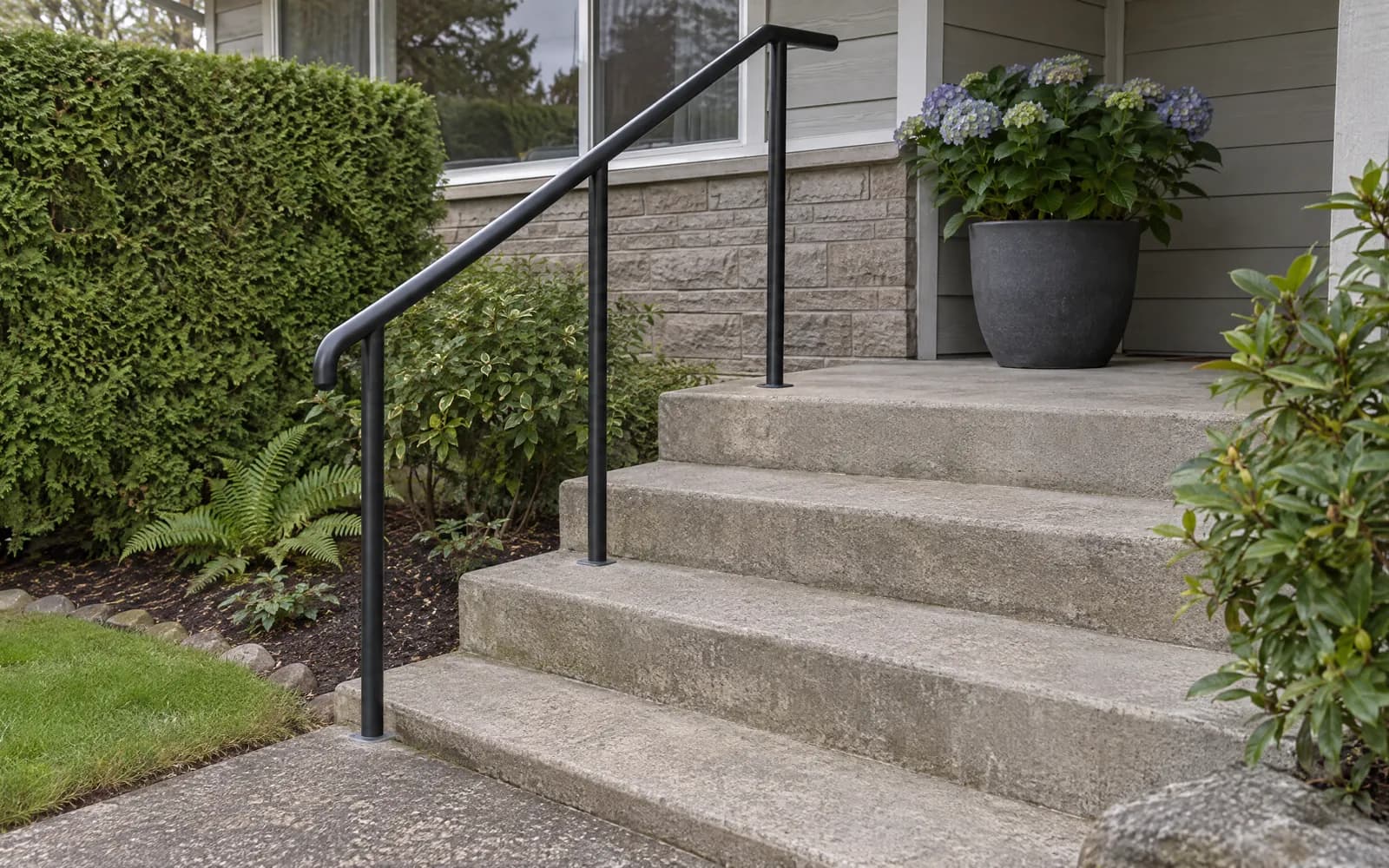
- Hand railings, inside or outside: up to $130 per foot, assessment needed.
- Lever door handles: on the list too, with no assessment needed.
- Other bathroom items, like a raised toilet seat or a handheld shower head, are also listed.
The rebate pays the lower of the listed maximum or the real cost of each approved item. That maximum can cover materials, labour, taxes and permits. Grab bars for a second bathroom may be considered with an assessment. The program will not pay to fix things that are worn out, leaking or failing, or to replace fixtures the adaptation does not touch.
Do I need approval before the work starts?
Yes, and this is the rule that costs people the most. BC Housing's BC RAHA FAQ says adaptations completed before written approval are not eligible for a rebate. The one exception it lists is emergency work needed before someone comes home from hospital, with papers to prove the stay and the need.
Once the approval letter arrives, you have 180 days to finish the work. If the plan changes, call BC Housing before you approve the change. It only pays for the items in the approval letter.
What order do the steps go in?
- Check the eligibility rules for your household and your home.
- Book an assessment if any item on your list needs one.
- Send in the application with every document it asks for.
- Wait for the written approval letter.
- Book the installer and have the work done within 180 days.
- Pay the installer, then send BC Housing your receipts and invoices.
You can send me photos of the bathroom and stairs before you apply, and I will scope it in writing. That gives you a clear list of which walls need what. I would still wait for the approval letter before any drilling starts.
Do I need an occupational therapist assessment?
It depends on the item. Grab bars in the main bathroom do not need one. Handrails do. The home assessment page says an occupational therapist, physical therapist or other medical professional can do it, in person or by video. BC RAHA pays back up to $300 of the assessment fee per household per year.
An assessment helps the install too. A therapist looks at how the person moves through the room. If you have their notes, send them to me and I will set each bar where they say.
Who can install BC RAHA adaptations?
BC Housing leaves the choice of contractor to you. The work must meet the laws, bylaws and codes that apply. You can also do the work yourself, but then the rebate covers materials only, never your own labour.
Whoever you hire, ask for an invoice that lists each approved item on its own line. That makes it easy to match the approval letter. I invoice on completion, I am GST registered, and I carry liability insurance. Every bar I put up goes into studs or an anchor rated for grab bars. Grab bars in a fibreglass shower explains the options for tub surrounds.
How does the rebate get paid?
BC Housing pays after the work is done, so plan to pay the installer first. Then you send a signed Declaration of Work Completed, receipts, invoices and any permits. BC Housing may also ask for photos. Its approved applicants page sets out the full list.
The FAQ says the cheque is mailed to the homeowner or landlord within 3 weeks of receiving every document. The amount is based on the final invoice and never goes above the approval letter. In a rental, the cheque goes to the landlord, so settle who pays the installer first. Landlord vs tenant repair responsibilities in BC covers the rest of that relationship.
What drives the cost of the install?
My only published price is the $200 minimum per job, and several bars and rails can share one visit. The rest depends on the number of bars, the wall behind them, where the studs fall and the length of any rail. Grab bars and bathroom safety for aging in place goes through each factor.
I install grab bars and handrails across the Fraser Valley. See grab bar installation in Langley, grab bar installation in Surrey, grab bar installation in Abbotsford or grab bar installation in White Rock for how the work runs in each town.
Every job I take gets a written scope before I start, so the price is agreed in advance and the list stays the list.
Want me to take this one on? My page on grab bar installation covers what the visit includes, what I hand off, and how I price it.